Getting Testing Right First Time
Why Copper and Fibre Tester Training Saves Projects Time, Money and Reputation
Testing is one of the most important stages of a structured cabling project. It is also one of the easiest areas for small errors to escalate into delays, rework and disputes. Incorrect setups, misunderstood results and inconsistent documentation are common issues across the industry, and they impact everything from client sign-off to warranty approvals.
As networks become more complex and standards continue to evolve, the gap between “testing” and “testing correctly” is widening. That gap is where avoidable problems occur.
The Connectix Tester Training courses for copper and fibre are designed to close that gap. They give installers and engineers the practical skills, confidence and understanding needed to deliver accurate, standards-compliant testing first time.
Where Testing Goes Wrong on Real Projects
Many of the challenges seen onsite are not caused by faulty kit or defective products. They come from the same issues repeating across teams and projects:
- Incorrect tester setup or referencing
- Misinterpreting OTDR traces
- Recording results in ways that fail warranty requirements
- Using the wrong test method for the application
- Not understanding what “good” actually looks like
- Poor documentation slowing final sign-off
- Retests caused by simple configuration errors
- Engineers relying on habits rather than the current standards
These problems create wasted time, unnecessary call-backs and, in the worst cases, failed warranty applications.
They also erode customer confidence. When test results are unclear or inconsistent, clients question the installation, not the test procedure.
Why Tester Training Matters Now
Structured cabling is a standards-driven industry. Testing is not optional; it is the only way to prove the quality and integrity of the installation.
Today, accurate testing influences:
- Project completion
- Payment milestones
- Warranty eligibility
- Documentation handover
- Trouble-free future maintenance
Yet many teams rely on limited experience, outdated knowledge or guesswork when interpreting test outcomes. That is where costly mistakes emerge.
A focused, hands-on training session provides clarity, consistency and confidence, especially for engineers stepping into new technologies or moving from copper to fibre.
What the Courses Cover
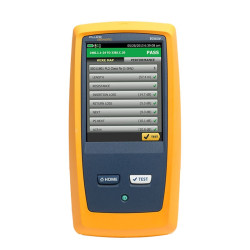
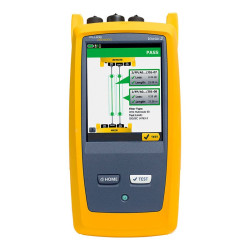
Both copper and fibre sessions are half-day courses at the Connectix Training Centre in Braintree. Each combines theory with practical, hands-on use of test equipment, including access to a Fluke tester. Delegates can also bring their own tester for tool-specific guidance.
Copper Testing Course:
- Setup
- Referencing
- Standards
- Settings
- Test methods
- Running tests correctly
- Understanding and interpreting results
- Preparing results for final documentation and warranty applications
Fibre Testing Course:
- Setup
- Standards
- Light Source and Power Meter (LSPM / OLTS)
- OTDR testing
- Test settings
- Running accurate fibre tests
- Fault finding
- Understanding what results mean
- Best practice for documentation and report generation
Both sessions are led by qualified Connectix trainers who stay updated with the latest standards, technologies and terminology. Questions throughout the session are encouraged, and course materials are included.
How Tester Training Solves Real Project Issues
1. Eliminates common installation faults
Understanding the correct setup prevents the avoidable mistakes that trigger retests or failed results.
2. Speeds up troubleshooting
A trained engineer identifies faults faster because they know what they are looking at and why it matters.
3. Improves accuracy and consistency
Standardised knowledge across a team means fewer variations in how results are gathered and interpreted.
4. Reduces site revisits
Correct testing first time avoids unnecessary returns for retesting or explaining unclear results.
5. Supports the 25-year system warranty
Documentation quality improves, and test results are produced in the format required for manufacturer approval.
6. Strengthens client confidence
Clear test reports and accurate interpretation give customers confidence in the quality of the installation.
7. Reduces project delays
Less rework. Fewer disputes. Faster handover. More predictable project timelines.

Who the Courses Are Designed For
These sessions support a wide range of roles and experience levels:
- Installers
- Project engineers
- New starters
- People transitioning from copper to fibre
Whether the goal is improving team capability, reducing errors, or ensuring consistent delivery across multiple sites, the training addresses the daily challenges engineers face.
What Delegates Leave With
- A clear understanding of how to test correctly
- Hands-on experience using the latest test equipment
- Stronger confidence in interpreting results
- Knowledge aligned with current standards
- Best practice for documentation and reporting
- A certificate of completion and course notes
This gives teams the practical skills they need to deliver reliable copper and fibre installations without costly mistakes and without slowing down project delivery.