Reducing On-Site Waste Without Slowing the Job
A Practical Fix for Installers
Sustainability expectations continue to rise across the industry. Public sector frameworks, education projects and large enterprise clients now ask contractors to demonstrate how they manage waste on site. For installers, this adds a new layer of responsibility on top of an already time-pressured workload.
The challenge is straightforward:
How do you keep waste levels low without making the installation process slower or more complicated?
For everyday network work such as cabinet builds, moves and changes, office refreshes and classroom rewires, one source of avoidable waste is surprisingly consistent: patch lead packaging.
Where the Waste Really Comes From
Most patch leads arrive individually bagged, cable tied and stacked inside larger outer packaging. It is the industry norm, but it creates issues installers know all too well:
- A growing pile of plastic bags and ties by the cabinet
- Repeated trips to dispose of waste on controlled-access sites
- Time spent unwrapping leads that adds nothing to the quality of the job
- Messy work areas that make efficient cable dressing harder
- Poor sustainability optics during client walkthroughs
These are everyday frustrations. They may seem small, but they add up during a full rollout.
Why Minimising Waste Matters Now
Clients care about finished infrastructure, but they also care about how it is delivered. A tidy site, controlled waste output and visible efforts to reduce single-use plastics all contribute to a better handover experience.
For installers, the pressure comes from several directions:
- Sustainability sections in tenders
- On-site waste audits
- FM teams expecting clean, minimal-waste deployment
- Environmental policies in education and healthcare
- Internal company targets to reduce waste across projects
The intention is good, but the practical execution often falls to installation teams.
A Simple, Practical Solution
One way to make sustainability easier is to reduce waste at the source.
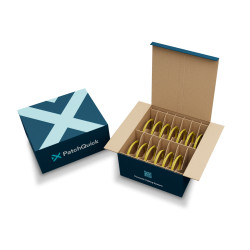
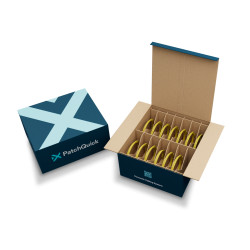
That is where patch leads supplied in minimal packaging come into their own such as PatchQuick. No individual bags. No cable ties. No unnecessary plastic. Just the leads, ready to use.
This approach supports installers in three ways:
1. Cleaner workflow
Less plastic on site means tidier working conditions and fewer interruptions for waste disposal.
2. Faster deployment
No unwrapping or cutting ties removes a repetitive task that slows down multi-port patching.
3. Better sustainability outcomes
Lower waste output is easy to demonstrate during audits and project handovers.
It is a small change but a meaningful one, particularly on high-volume projects where packaging waste builds up quickly.

Where This Makes the Biggest Difference
Minimal-waste patching solutions are especially useful on:
- Classroom or office refurbishments
- Cabinet refreshes and rack rebuilds
- Access point and VoIP rollouts
- Multi-cabinet deployments in universities and health trusts
- Sites with restricted waste disposal policies
- Projects where sustainability reporting is required
These are the environments where installers often feel the pressure most, and where a simple packaging change can remove unnecessary friction.
Why It Works
The strength of this approach is that it does not ask installers to modify their workflow.
It simply removes a step that does not add value.
You still get:
- Consistent lengths
- Reliable performance
- Individually tested leads
- The colours and categories needed for structured patching
- A compact box that is easy to transport and store onsite
The difference is what is not there: piles of waste bags and ties.
A More Sustainable Way to Patch Networks
Sustainability does not always need a big strategy behind it. Sometimes the most effective improvements come from removing the small, recurring inefficiencies that have been accepted as part of the job.
Low-waste patching is one of those improvements. It makes installs cleaner,
it makes workflows faster.
And it removes a barrier for installers who want to deliver projects with less environmental impact without complicating the work.